Delhi – A Living Museum of Indian Civilization
Delhi, the capital of India, is not just a city but a chronicle of civilizations, empires, and eras. From ancient ruins to modern architecture, from narrow Mughal alleys to broad colonial roads — Delhi tour offers an immersive journey through time. Whether you're interested in culture, history, architecture, or urban life, Delhi presents itself as a dynamic classroom of heritage and change.
Historical Evolution of Delhi
Delhi's legacy spans more than a thousand years, having served as the capital for several kingdoms and empires. Historically known as Indraprastha, Delhi finds mentions in ancient Indian texts like the Mahabharata. Over time, it transformed through the hands of Rajputs, Delhi Sultans, the Mughals, and the British, each contributing unique architectural and cultural imprints.
Today, exploring Old and New Delhi means witnessing this layered history firsthand.
Old Delhi – Mughal Heart of the City
Old Delhi, also called Shahjahanabad, was established in 1639 by the Mughal emperor Shah Jahan. It’s a bustling area rich in heritage and old-world charm.
Key Historical Sites in Old Delhi
-
Red Fort (Lal Qila): A UNESCO World Heritage Site, the fort served as the residence of Mughal emperors. It reflects Indo-Islamic and Persian architecture.
-
Jama Masjid: One of India’s largest mosques, built by Shah Jahan, it showcases Mughal religious architecture at its peak.
-
Chandni Chowk: The historic market designed by Jahanara Begum remains vibrant with spice shops, food stalls, and traditional fabrics.
Culture and Lifestyle in Old Delhi
Walking through Old Delhi is like traveling back in time. You'll find calligraphy shops, handmade perfume sellers, kite merchants, and traditional eateries like Karim’s and Paranthe Wali Gali. The narrow alleys, the smell of kababs, the clinking of bangles, and the sounds of Urdu poetry reflect the living culture of Mughal-era India.
New Delhi – British Legacy & Modern Governance
Contrasting with Old Delhi’s density and chaos, New Delhi was designed by British architect Sir Edwin Lutyens in the early 20th century. It’s the seat of modern Indian democracy and hosts foreign embassies, government buildings, and wide boulevards.
Key Landmarks of New Delhi
-
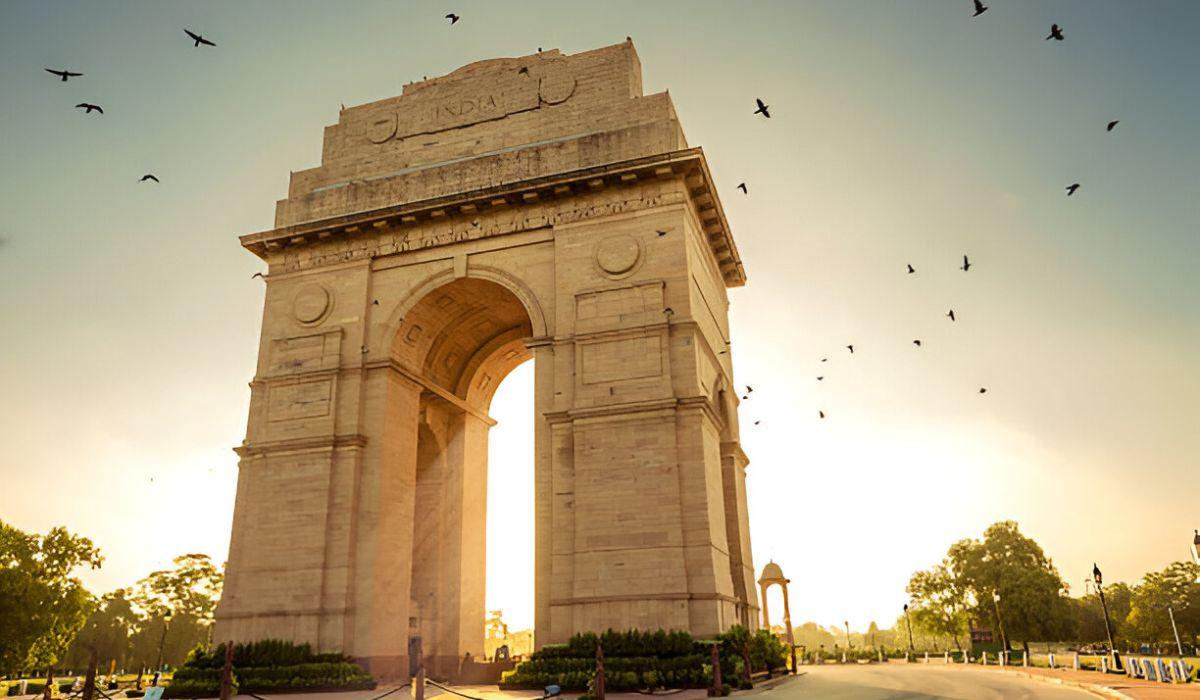
India Gate: A war memorial built to honor Indian soldiers, now surrounded by parks and
-
Rashtrapati Bhavan: The residence of the President of India, previously the Viceroy’s House during British rule.
-
Parliament House: A circular structure representing Indian democracy.
-
Rajpath: The ceremonial boulevard that connects India Gate to Rashtrapati Bhavan, used during Republic Day parades.
Iconic Heritage Monuments in South & Central Delhi
-
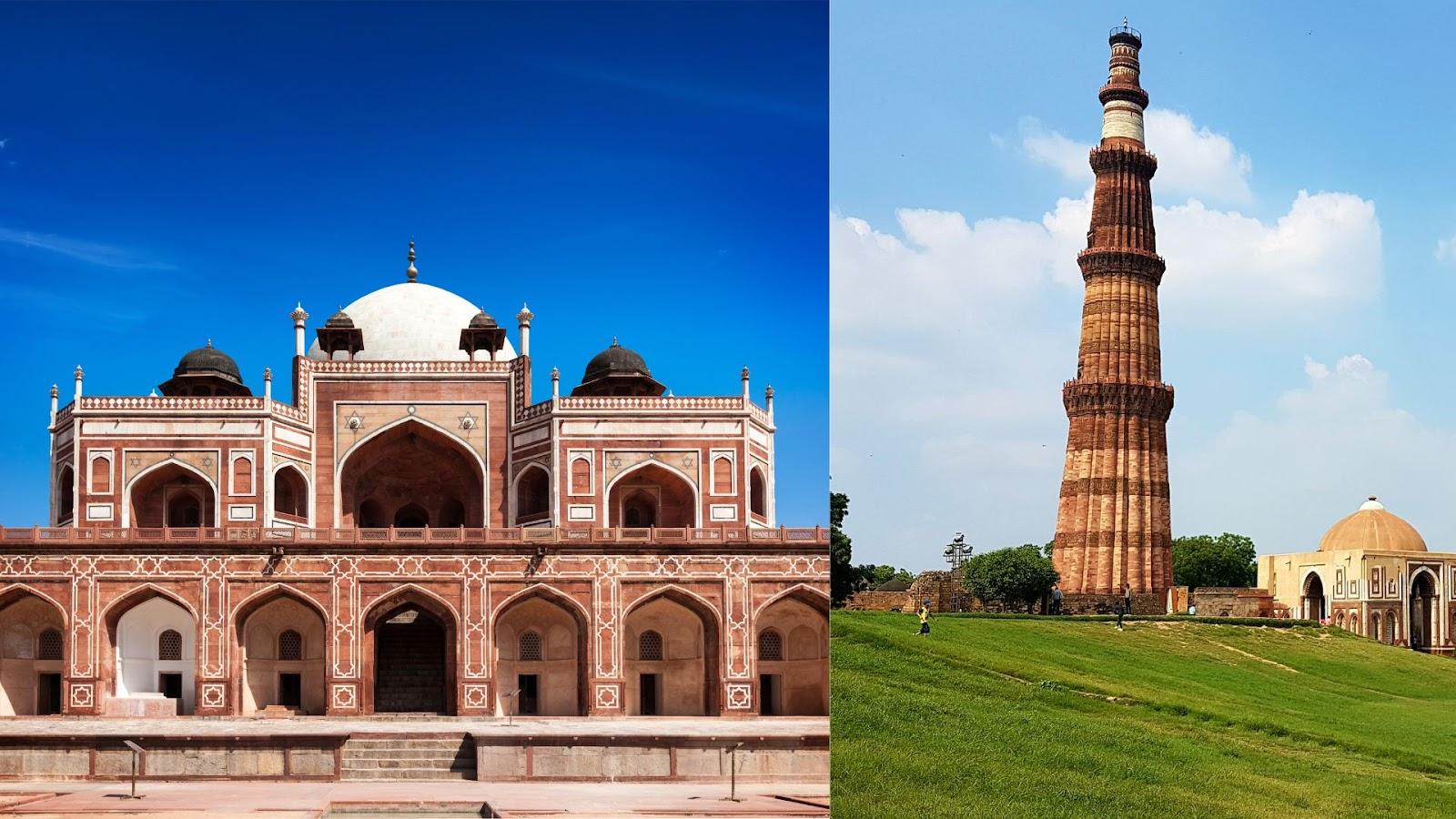
Qutub Minar: A 72.5-meter high victory tower built in the 12th century, it's a UNESCO World Heritage Site.
-
Humayun’s Tomb: Constructed in 1570, this Mughal mausoleum inspired the design of the Taj Mahal.
-
Lotus Temple: A modern architectural wonder dedicated to the Baháʼí faith, known for its petal-like structure and peaceful surroundings.
Museums, Culture, and Art in Delhi
Delhi is home to some of the finest museums in India:
-
National Museum: Offers artifacts dating back to the Indus Valley Civilization.
-
Crafts Museum: Showcases traditional Indian crafts, textiles, and folk art.
-
Indira Gandhi Memorial Museum and Gandhi Smriti: Provide insights into India's modern political history.
You can also visit Delhi Haat to experience the handicrafts and cuisine from different Indian states in one location.
Nature and Gardens in Delhi
Though it’s a bustling metropolis, Delhi surprises visitors with its lush green spaces:
-
Lodhi Garden: Features Indo-Islamic architecture and is a popular spot for morning walks.
-
Garden of Five Senses: A thematic garden offering art installations, flowers, and nature trails.
-
Yamuna Biodiversity Park: A green initiative to restore the Yamuna’s ecosystem.
These spaces offer much-needed calm and balance to the city's urban rhythm.
Local Traditions and Languages
Delhi is home to people from all over India and even abroad. While Hindi is the main language, Punjabi, Urdu, and English are widely spoken. The city celebrates a variety of festivals like Diwali, Eid, Gurpurab, Holi, and Christmas — reflecting its secular and inclusive character.
Food and Culinary Culture
Delhi’s food scene is as rich as its history. Street food like chole bhature, golgappa, kebabs, and kathi rolls is a huge draw for locals and tourists alike. The city also hosts modern cafes, Mughlai restaurants, and global cuisines, making it a paradise for food lovers.
Best Time to Visit
The most comfortable months for a Delhi city tour are between October and March. During this period, the weather is pleasant, and many cultural events and festivals take place.
Travel Tips for Visitors
-
Many museums and religious places require modest clothing.
-
Some monuments are closed on Mondays (e.g., Lotus Temple).
-
Early mornings are ideal to avoid traffic and crowds.
-
Use official guides or audio tours to understand the historical context better.
Final Thoughts
Delhi is not just a stopover — it’s a destination in itself. A visit here is like opening a book on Indian civilization, where each monument, market, and street tells a story. Whether you're interested in historical exploration, cultural immersion, or culinary experiences, a Delhi tour offers deep insights into what makes India so diverse and fascinating.


Comments
Post a Comment